Home / Editor's Pick /

Recipe card: How to cook up a storm

17:01
20 July 2022

Recipe card
How to cook up a storm

A thunderstorm over Big Ben and the Houses of Parliament, LondonA thunderstorm over Big Ben and the Houses of Parliament, London

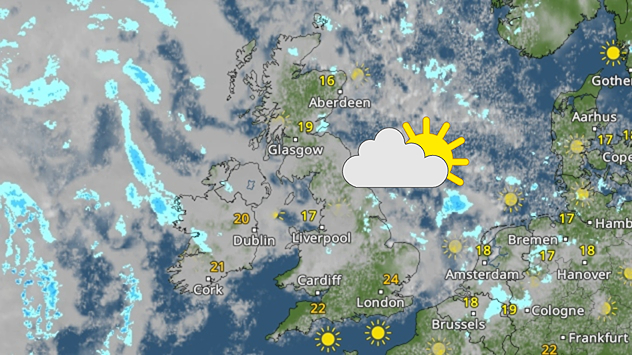
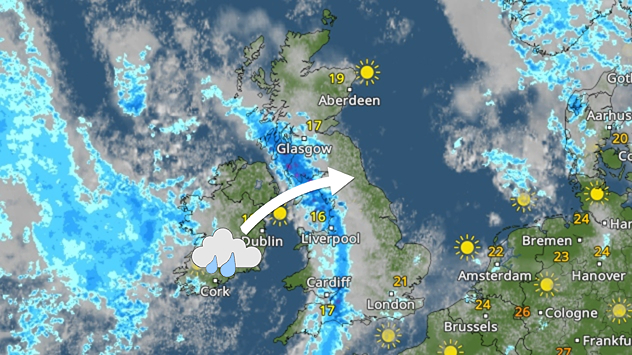
After record-breaking heat across the British Isles, it's no surprise that all this energy produced a cluster of thunderstorms in its wake.

Thunderstorms don't actually require sugar, spice and everything nice, but rather moisture, instability and lift. Whilst they can be nice to look at, they can in fact be quite dangerous.

Moisture

As a general rule, the dew point (the temperature to which the air needs to cool to for dew to form) needs to be at a minimum of 12C.

Below this mark, conditions become unfavourable for thunderstorms, though elevated storms tend to cope with lower dew points than surface-based ones.

Yesterday, for example, dew points were incredibly low given the heat, around 6C in London, but lifted by around 10C to 16C through the evening, when thunderstorms also arrived.

Instability

This occurs when a parcel of air is warmer than the air surrounding it. This warmer air in the lower atmosphere then rises, cools and condenses to form clouds. The instability refers to a difference between the temperature of rising versus sinking air.

Without this ingredient, deep convection and thunderstorms cannot be supported.

Lift

Lift is simply what causes the air to rise. There are a few different types; orographic lift (over mountains), frontal lift (in the passage of weather fronts), convergence (when surface air collides) and convection (from the sun).

This lift is consequently the mechanism that releases instability.

Combine all key ingredients above, and you will have the perfect recipe for a thunderstorm, which is what we have recently experienced across parts of the British Isles.

If you bake the storm for long enough, you might be able to dig in with a fork of lightning, and receive a clap of thunder.

Weather & Radar editorial team
More on the topic
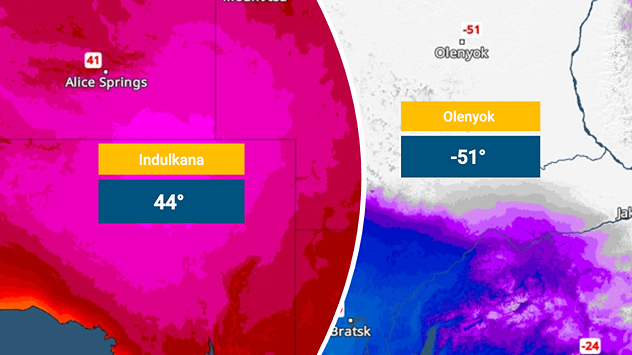
Map comparison showing 44 degrees in Indulkana and minus 51 degrees in Olenyok. Coloured temperature ranges show stark global contrasts.
Tuesday, 9 December 2025

Global extremes

Almost 100 degrees difference in temperature
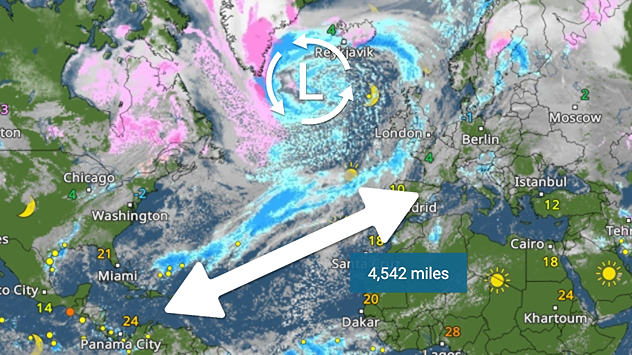
Weather map showing temperatures and a 4,542 mile route arrow over the Atlantic. Symbols indicate sun, clouds and precipitation from North America to Europe.
Wednesday, 17 December 2025

From Europe to America

Weather front over 4,500 miles long
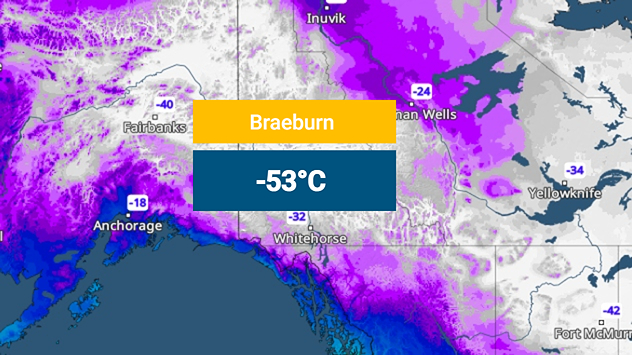
The weather map shows extremely low temperatures in Canada.
Monday, 15 December 2025

Minus 53 degrees

Record cold in Canada's Yukon Territory
All weather news
This might also interest you
Monday, 25 August 2025

Bank holiday outlook

Warm day turning gusty in places
Friday, 22 August 2025

Breakfast brief

Sunny start for some, overcast later
Wednesday, 27 August 2025

Breakfast brief

Frontal system brings heavy rain
All articles
Weather & Radar

Weather & Radar is also available on

Google Play StoreApp Store

Company

Contact us Privacy Policy Legal info Accessibility statement

Services

Uploader

Socials

facebooktwittertikToklinkList