Home / Editor's Pick /

Marine heatwave impacts: Pacific waters 7° above-average

11:00
26 August 2023

Marine heatwave impacts
Pacific waters 7° above-average

The area shaded in red denotes above-normal water temperatures.The area shaded in red denotes above-normal water temperatures.

We're all familiar with the idea of a heatwave. But there's another type that's much less visible yet equally concerning: a marine heatwave.

Marine heatwaves are periods of unusually warm ocean temperatures that can last anywhere from days to months.

Just recently, an intense marine heatwave has arrived just offshore the north and central California coast, pushing water temperatures five degrees above their typical levels.

Should we be concerned?

Warmer waters due to marine heatwaves can severely impact marine ecosystems, creating nutrient-deficient "ocean deserts" that make it challenging for marine life to survive.

These temperature spikes are linked to a range of disruptions, from coral bleaching and altered fish migration patterns to the degradation of vital kelp forests along the coast.

The most recent example of an extreme marine heatwave occurred off the coast of South Florida. On July 24th, a buoy in Manatee Bay in the Florida Keys recorded a staggering sea surface temperature of 101.1°F (38.4°C), breaking the previous world record of 99.7°F (37.6°C) set in Kuwait Bay.

Another consequence of marine heatwaves is heightened humidity, resulting in muggier conditions along coastal areas. This added moisture exacerbates discomfort and provides extra fuel for storms.

In the Pacific, for example, elevated water temperatures can intensify tropical cyclones and atmospheric river events. Tropical Storm Hilary serves as a recent example, illustrating how above-average temperatures can both amplify and expand the reach of such weather phenomena.

While ocean heatwaves are a natural occurrence in Earth's oceans, those that are exceptionally warm or prolonged, can have devastating effects on both local wildlife and human communities.

Oceanographers and marine biologists are closely monitoring these events to better understand their immediate and long-term impacts.

Atlantic Ocean warmer than normalread more
Weather & Radar editorial team
More on the topic
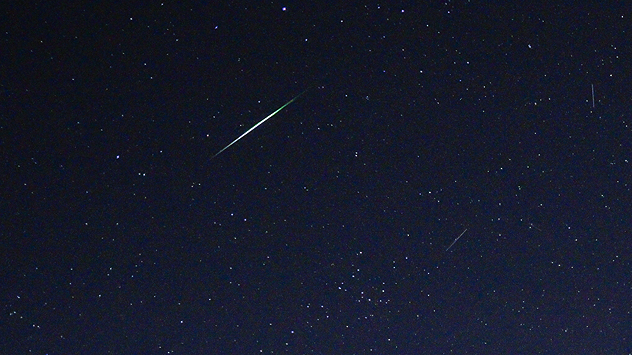
Shooting stars, part of the Geminid meteor shower.
Saturday, 13 December 2025

Spot a shooting star

King of meteor showers at its peak
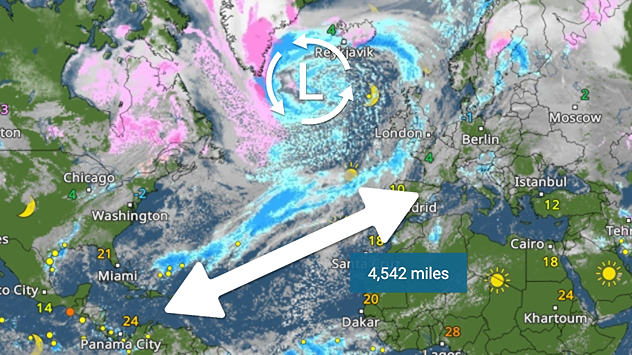
Weather map showing temperatures and a 4,542 mile route arrow over the Atlantic. Symbols indicate sun, clouds and precipitation from North America to Europe.
Wednesday, 17 December 2025

From Europe to America

Weather front over 4,500 miles long
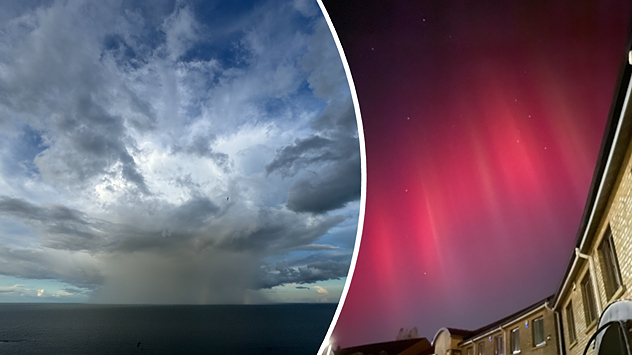
Split image showing a towering storm cloud with rain shafts over the sea on the left and a vivid red aurora illuminating the night sky above residential rooftops on the right, divided by a curved white line.
Tuesday, 9 December 2025

Your weather - Your shots

Autumn captured by you
All weather news
This might also interest you
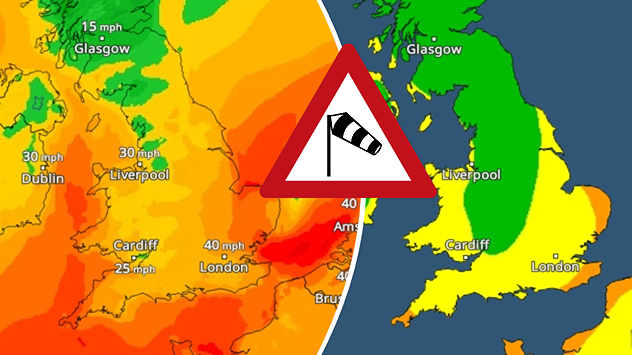
Split weather map showing UK wind speeds in orange-red shades up to 40 mph on the left and warning levels in green-yellow on the right, with a central wind warning sign.
Wednesday, 22 October 2025

Warnings active

Storm Benjamin impacts the UK
Mammatus clouds
Thursday, 21 August 2025

Unusual view

Mammatus clouds over Ireland
Weather graphic showing rain and wind fields over the Canary Islands and a central warning symbol.
Friday, 12 December 2025

Storm and rain

Turbulent weather in the Canary Islands
All articles
Weather & Radar

Weather & Radar is also available on

Google Play StoreApp Store

Company

Contact us Privacy Policy Legal info Accessibility statement

Services

Uploader

Socials

facebooktwittertikToklinkList