Home / Editor's Pick /

British summer time: Why do we still change the clocks?

16:00
30 March 2024

British summer time
Why do we still change the clocks?

bst clock

This year, our clocks spring forward on March 31st at 1am, changing twice a year, but it wasn’t always so.

The decision to implement daylight savings was first introduced in 1916, although Benjamin Franklin mused a similar thought back in 1784.

Historically, the change was made to provide greater length to the day by shifting an hour of sunlight to the evening. This helped farmers work longer, while also reducing energy use and allowing for greater time spent outdoors.

Today, modern forms of lighting are more energy efficient but reducing consumption remains one reason for maintaining the change. In the average home, 25% of energy use is spent on lighting during the morning and nights.

One of the primary arguments against ditching the idea altogether though, is safety. Especially in the mornings where school children would be left travelling in the dark.

A three-year trial in Scotland which implemented BST all year round saw a net increase in the number of people killed or injured while farmers worked for hours in the dark.

Some experts have called for an end to the initiative and the European Parliament voted in 2019 to end the practice across the continent.

But for now it persists, so be sure to check your clocks and watches to avoid being caught out!

Weather & Radar editorial team
More on the topic
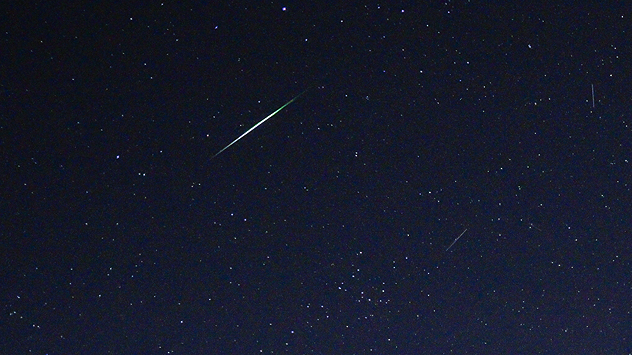
Shooting stars, part of the Geminid meteor shower.
Saturday, 13 December 2025

Spot a shooting star

King of meteor showers at its peak
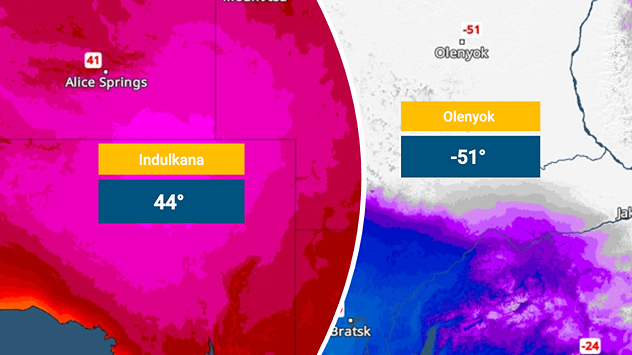
Map comparison showing 44 degrees in Indulkana and minus 51 degrees in Olenyok. Coloured temperature ranges show stark global contrasts.
Tuesday, 9 December 2025

Global extremes

Almost 100 degrees difference in temperature
pinecones
Thursday, 11 December 2025

Winter helpers

How pine cones aid the weather forecast
All weather news
This might also interest you
Friday, 22 August 2025

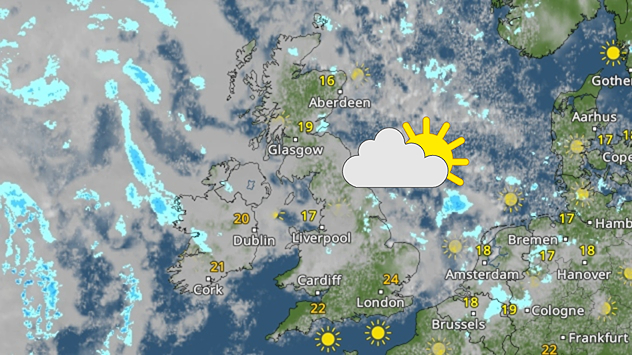
Breakfast brief

Sunny start for some, overcast later
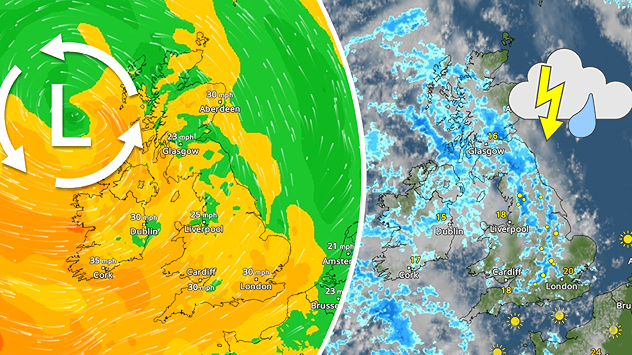
Split weather map showing the UK and Ireland. The left side illustrates strong winds circulating around a low-pressure system, with gusts of 20–30 mph highlighted in orange and yellow. The right side shows radar imagery with widespread blue rain bands and patches of thunderstorms, especially over northern England and Scotland.
Thursday, 28 August 2025

Breakfast brief

Remaining widely unsettled
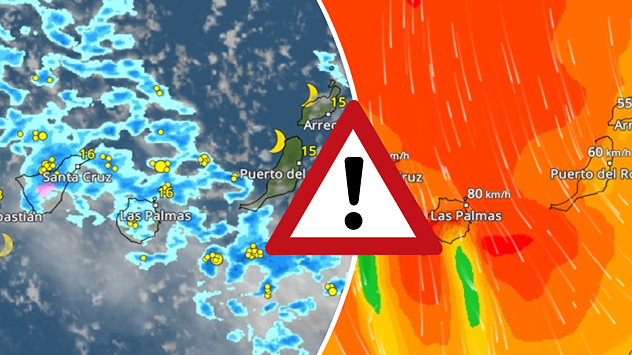
Weather graphic showing rain and wind fields over the Canary Islands and a central warning symbol.
Friday, 12 December 2025

Storm and rain

Turbulent weather in the Canary Islands
All articles
Weather & Radar

Weather & Radar is also available on

Google Play StoreApp Store

Company

Contact us Privacy Policy Legal info Accessibility statement

Services

Uploader

Socials

facebooktwittertikToklinkList